

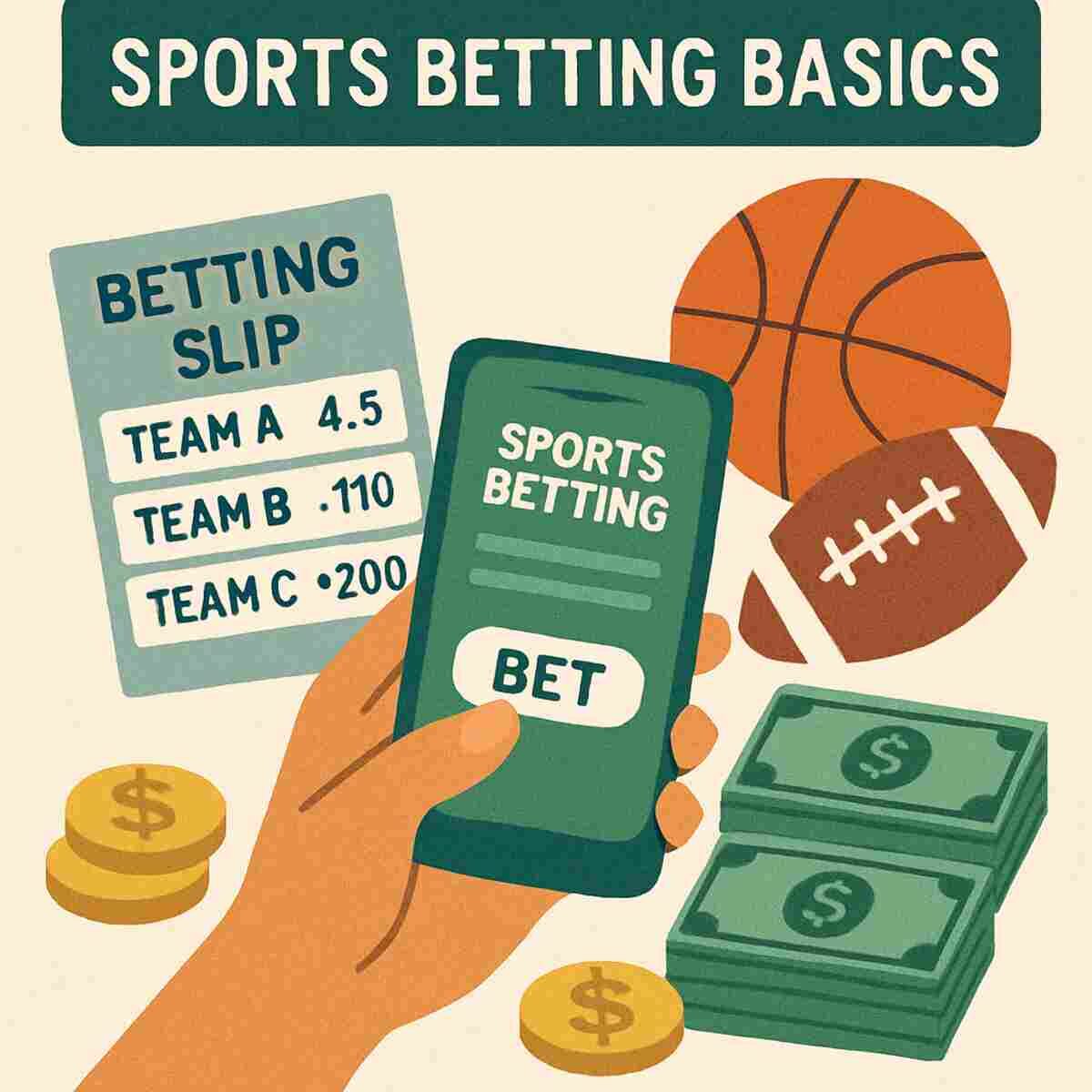
Hello, aspiring betting maestro! Whether you’re setting foot in the exhilarating realm of sports betting for the first time or you’re seeking to refine your vocabulary, you’ve landed in the right spot. Sports betting can initially appear as complex as deciphering a foreign language, but fear not—I’m here to guide you. Together, we’ll unravel some of the most prevalent terms you’ll encounter in this field, empowering you to bet with confidence and perhaps even dazzle your peers with your newfound expertise. Obtain the Best information about اپلیکیشن بت فوروارد.
Before immersing ourselves in the intricacies of betting jargon, it’s beneficial to grasp the fundamental essence of sports betting. At its core, sports betting is all about staking money on the result of a sporting event. The scope is vast—you can wager on anything from mainstream sports like football and basketball to more niche activities such as horse racing and the burgeoning field of eSports. The primary objective? Accurately forecast the outcome and potentially pocket some winnings!
Different Types of Events to Bet On
Sports betting isn’t confined to a single type of event; in fact, it spans a wide array of possibilities. Traditional sports like football, basketball, and baseball are popular choices for bettors worldwide. These sports provide frequent opportunities to place bets due to their regular schedules and multiple games. Additionally, niche sports such as cricket, rugby, and darts also attract dedicated bettors. These events might offer less frequent opportunities but can provide unique betting angles.
Beyond traditional sports, the rise of eSports has opened a new frontier for betting enthusiasts. Games like League of Legends, Dota 2, and Counter-Strike: Global Offensive have massive followings and frequent tournaments. This growing industry allows bettors to engage with a younger, tech-savvy demographic and explore new strategies unique to this digital arena. Furthermore, events like the Olympics or World Cup bring international attention, offering diverse betting opportunities across various sports disciplines.
The Essence of Wagering
At the heart of sports betting lies the concept of wagering, which involves predicting outcomes and staking money on those predictions. Each bet carries a risk, and understanding the nature of this risk is crucial. Wagering isn’t just about luck; it’s about making informed decisions based on available data, trends, and insights. Successful bettors analyze team performance, player statistics, and historical data to gain an edge over the bookmaker.
It’s also essential to understand the different types of wagers available. While some bets focus on predicting the outright winner, others may involve more complex scenarios, such as predicting the margin of victory or specific in-game events. Each type of bet carries its own set of odds and potential payouts, making it important to choose wisely based on your analysis and risk tolerance.
The Goal: Predict and Win
The ultimate goal of sports betting is to accurately predict the outcome of an event and secure a financial reward. While this might sound straightforward, achieving consistent success requires skill, discipline, and a strategic approach. Successful bettors don’t rely solely on luck; they develop a deep understanding of the sports they bet on, stay informed about relevant news and trends, and continuously refine their strategies.
Moreover, it’s important to approach betting with a long-term perspective. While individual wins are gratifying, the true mark of success lies in sustained profitability over time. This requires a disciplined approach to bankroll management, understanding the value of odds, and knowing when to walk away. Ultimately, the goal is to enjoy the thrill of betting while maximizing your chances of winning through informed and calculated decisions.
Odds: Your Winning Formula
Odds are the backbone of sports betting, acting as the crucial element that determines potential winnings and indicates the likelihood of a particular outcome. Understanding odds is fundamental to making informed betting decisions. They serve as the numerical representation of probabilities, helping bettors assess the risk and potential reward associated with each wager.
American Odds: The Homegrown Perspective
American odds are a popular format used predominantly in the United States. They are presented as either positive or negative numbers, indicating the potential profit relative to a standard bet of $100. Positive odds, such as +200, denote the potential profit on a $100 bet, while negative odds, like -150, represent the amount needed to wager to win $100. This format is intuitive for those familiar with American sports betting culture.
Understanding the nuances of American odds is crucial for bettors in the U.S. Positive odds signify underdogs, offering the potential for higher returns, while negative odds indicate favorites, requiring a larger stake for a smaller profit. By grasping this format, bettors can quickly assess the risk and reward associated with different bets, enabling them to make strategic decisions based on their analysis and risk tolerance.
Decimal Odds: The Global Standard
Decimal odds are widely used across Europe and other international markets, offering a straightforward way to calculate potential payouts. These odds represent the total return on a successful bet, including the original stake. For example, odds of 3.00 mean that a $10 bet would yield a total return of $30, including the initial wager. This format is intuitive and easy to understand, making it accessible for bettors worldwide.
One of the key advantages of decimal odds is their simplicity in calculating potential winnings. Bettors can quickly multiply their stake by the odds to determine the total payout, making it easy to compare different betting options. This format is particularly popular in regions where diverse sports betting markets exist, allowing bettors to explore various opportunities with ease.
Fractional Odds: The Traditional Approach
Fractional odds, commonly used in the UK, offer a traditional approach to presenting odds. These odds are expressed as fractions, such as 5/1, indicating the potential profit relative to the stake. In this example, a $1 bet would yield a $5 profit. Fractional odds are deeply rooted in the history of sports betting and are often associated with horse racing and other traditional sports.
For bettors familiar with this format, fractional odds provide a clear understanding of the potential profit for each wager. They offer a historical perspective on odds representation, allowing bettors to connect with the rich heritage of sports betting. Understanding fractional odds is essential for those engaging in betting markets where this format is prevalent, ensuring a seamless betting experience.
Key Betting Terms You Need to Know
To navigate the world of sports betting effectively, it’s essential to familiarize yourself with key betting terms. These terms form the foundation of betting knowledge and empower bettors to engage confidently with bookmakers and fellow bettors. By understanding these terms, you’ll be well-equipped to make informed decisions and enjoy a more rewarding betting experience.
Types of Bets: Exploring the Diversity
- Moneyline Bets: The simplest form of betting, moneyline bets involve picking the outright winner of a game or match. This straightforward approach is ideal for beginners, as it requires no complicated calculations or considerations. Bettors simply choose the team or player they believe will win and place their wager accordingly. Moneyline bets are popular across various sports and offer a straightforward introduction to sports betting.
- Point Spread Bets: Point spread betting adds an element of complexity by leveling the playing field. In this type of bet, the favored team must win by a specified margin (the spread) for the bet to be successful. Conversely, the underdog can lose by a margin smaller than the spread or win outright. Point spread bets are prevalent in sports like football and basketball, where the disparity between teams can be significant.
- Over/Under (Totals) Bets: Over/under bets, also known as totals, focus on the combined score of both teams in a game. Bettors predict whether the total points scored will be over or under a predetermined number set by the bookmaker. This type of bet allows bettors to engage with games without having to predict the exact outcome, making it a popular choice for those who enjoy analyzing statistics and trends.
- Parlay Bets: Parlay bets involve combining multiple individual bets into a single wager. To win a parlay, all individual bets within the parlay must be successful. While the risk is higher, the potential payout is significantly larger than placing separate bets. Parlay bets are attractive to bettors who seek higher returns and are willing to embrace the challenge of predicting multiple outcomes accurately.
In-Game Terms: Betting as the Action Unfolds
- Live Betting: Also known as in-play betting, live betting allows bettors to place wagers on a game while it’s in progress. This dynamic form of betting provides real-time odds that fluctuate based on the events unfolding in the game. Live betting offers an exciting opportunity for bettors to engage with the action and capitalize on shifts in momentum or unexpected developments.
- Prop Bets: Proposition bets, or prop bets, focus on specific events within a game rather than the overall outcome. These bets can range from predicting which player will score the first goal to guessing the total number of fouls committed. Prop bets add an extra layer of excitement and variety to sports betting, allowing bettors to explore diverse aspects of a game and showcase their knowledge of specific details.
More Jargon to Sound Like a Pro
- Juice (or Vig): The juice, or vigorish, represents the bookmaker’s commission on a bet. It’s built into the odds and ensures that the bookmaker profits regardless of the outcome. Understanding the concept of juice is essential for bettors to assess the true value of a bet and make informed decisions about which wagers offer the best potential returns.
- Lock: A lock refers to a bet that is perceived as a near-certain winner. While no bet is ever guaranteed, a lock is considered a highly favorable wager based on thorough analysis and confidence in the predicted outcome. Bettors should exercise caution with locks, as unexpected developments can still impact the final result.
- Chalk: Chalk is a term used to describe the favorite in a game or event. Betting on the chalk means wagering on the expected winner, often associated with lower risk but also lower potential returns. Understanding chalk is important for bettors to assess the balance between risk and reward and make strategic decisions based on their analysis of the odds.
Advanced Betting Concepts
Once you’ve mastered the basics, you may want to explore advanced betting concepts to enhance your betting strategy and increase your chances of success. These concepts require a deeper understanding of betting dynamics and strategic thinking, offering opportunities for more sophisticated approaches to wagering.
Hedging: Minimizing Risk, Securing Returns
Hedging is a risk management strategy used by bettors to protect their initial investment and minimize potential losses. By placing a secondary bet on the opposite outcome of the original wager, bettors can secure a profit or reduce losses regardless of the final result. Hedging is particularly useful when circumstances change, such as injuries or unexpected developments, allowing bettors to adjust their positions and maintain control over their investments.
To effectively hedge a bet, bettors must carefully calculate the potential outcomes and odds to ensure a favorable result. While hedging reduces the potential for large profits, it provides a safety net that allows bettors to navigate uncertain situations with confidence. This strategy is popular among experienced bettors who prioritize long-term profitability and risk management.
Arbitrage Betting: Exploiting Market Inefficiencies
Arbitrage betting involves taking advantage of discrepancies in odds offered by different bookmakers to guarantee a profit regardless of the outcome. This strategy requires quick calculations and a keen eye for spotting opportunities where odds differ significantly between bookmakers. By placing bets on all possible outcomes with different bookmakers, bettors can lock in a profit by ensuring that the combined odds yield a positive return.
Arbitrage betting is a sophisticated approach that demands precision and vigilance. Bettors must be adept at identifying discrepancies and acting swiftly to secure advantageous odds before they change. While the profit margins may be relatively small, the cumulative effect of successful arbitrage bets can lead to substantial gains over time. This strategy appeals to bettors who enjoy analyzing market dynamics and capitalizing on inefficiencies.
Futures Bets: Predicting Long-Term Outcomes
Futures bets involve predicting the outcome of events that will occur in the future, often well before they take place. These bets can include wagering on the winner of a championship, the top scorer of a league, or the outcome of a major tournament. Futures bets require bettors to assess long-term trends, team dynamics, and player performance to make informed predictions.
The allure of futures bets lies in their potential for substantial payouts. Since the outcome is determined over an extended period, the odds can be more favorable, offering higher returns for successful predictions. Bettors who excel at analyzing trends and forecasting developments enjoy the challenge of futures bets, as they provide an opportunity to showcase their strategic thinking and foresight.
Tips for Beginners
For those new to the world of sports betting, it’s important to approach it with a strategic mindset and a focus on responsible gambling. By following these tips, beginners can build a solid foundation for their betting journey and enjoy a more rewarding experience.
Start Small: Building Confidence Gradually
When starting in sports betting, it’s crucial to begin with small wagers. This approach allows beginners to familiarize themselves with the betting process and gain confidence without risking significant amounts of money. By starting small, bettors can learn from their experiences, refine their strategies, and develop a better understanding of the dynamics involved in different types of bets.
Small bets also provide an opportunity to explore various sports and betting markets, helping beginners identify their preferences and areas of interest. As confidence grows and understanding deepens, bettors can gradually increase their stakes, ensuring a measured and responsible approach to betting.
Do Your Research: Knowledge is Power
In sports betting, knowledge is a valuable asset that can significantly impact your success. Before placing a bet, take the time to research the teams, players, and relevant statistics. Stay informed about recent performances, injuries, weather conditions, and any other factors that may influence the outcome of a game.
Comprehensive research enables bettors to make more informed decisions and identify value in the odds offered by bookmakers. By staying updated on the latest developments, bettors can spot opportunities and make strategic choices that align with their analysis. Knowledge empowers bettors to approach betting with confidence and enhances their ability to make profitable predictions.
Set a Budget: Responsible Gambling Practices
Responsible gambling is essential for maintaining a healthy and enjoyable betting experience. Before placing any bets, establish a budget that outlines the amount of money you are willing to spend on betting activities. This budget should reflect your financial situation and risk tolerance, ensuring that betting remains a form of entertainment rather than a financial burden.
By setting a budget, bettors can avoid chasing losses and prevent impulsive decisions driven by emotions. Stick to your predetermined budget and avoid exceeding it, even if you experience losses. Responsible gambling practices promote a balanced approach to betting, allowing you to enjoy the excitement without compromising your financial well-being.
Wrapping Up
There you have it—a comprehensive guide to understanding common sports betting terminology. Armed with this knowledge, you’ll navigate the betting landscape with confidence and engage with bookmakers and fellow bettors like a seasoned pro. Remember, sports betting is as much about enjoying the thrill of the game as it is about winning. By staying informed, making strategic decisions, and practicing responsible gambling, you’ll enhance your betting experience and increase your chances of success.
Now, go forth and dazzle your friends with your newfound sports betting lingo. May the odds be ever in your favor, and may your betting journey be both rewarding and enjoyable!
