

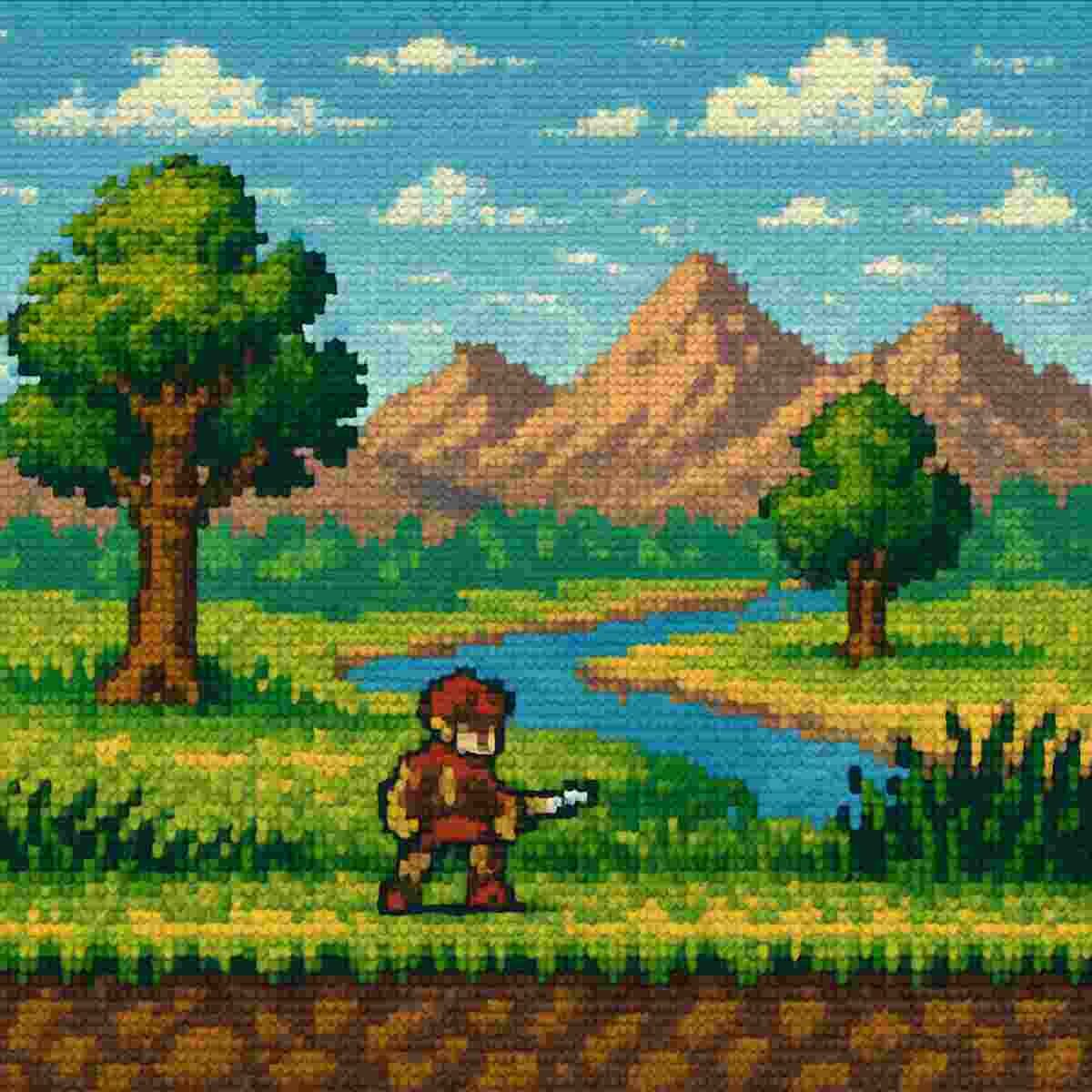
Hey there! Ready to take a nostalgic trip down memory lane and explore the fascinating world of the oldest online game? Whether you’re an aspiring novelist seeking inspiration, a content marketer looking for engaging stories, or a graduate student needing a mental break, this exploration promises to rekindle the joy of old school gaming. Let’s dive in! To know more, check out WAKANDA189
Before the era of high-speed internet and immersive graphics, the online gaming world was quite different. The oldest online games laid the groundwork for what we know today, and they were more about community and creativity than flashy visuals and complex mechanics.
The Early Days of Digital Connection
The inception of online gaming can be traced back to a time when technology was both burgeoning and limited. In the late 1970s, computers were still a luxury, and the internet was a mysterious, emerging frontier. The concept of connecting people through computers for entertainment was revolutionary. At this time, the internet was primarily used by academic institutions and government agencies, offering a novel, albeit rudimentary, way to communicate and share data across distances.
During this period, computer enthusiasts and programmers began to experiment with creating interactive experiences that could be shared over these networks. The idea was simple yet groundbreaking: to transform solitary computer activities into a shared experience. This was the dawn of a new era where gaming was not just about playing against a machine but against other human players.
Multi-User Dungeons: The Pioneers
The journey of online gaming truly took shape with the creation of Multi-User Dungeons (MUDs) in the late 1970s and early 1980s. These text-based games allowed players to immerse themselves in virtual worlds where they could interact with both the environment and each other. MUDs were the precursors to modern MMORPGs, setting the stage for more sophisticated online gaming experiences.
MUD1, created in 1978 by Roy Trubshaw and Richard Bartle, is widely recognized as the first online game. It was a text-based adventure game that allowed multiple players to interact in a virtual environment. The game was hosted on the University of Essex’s network and quickly gained popularity among students and staff. Players could explore dungeons, solve puzzles, and embark on quests, all while communicating with other players in real-time—a novel concept that captured the imagination of many.
The Role of Universities in Gaming Evolution
Universities played a crucial role in the development and popularization of early online games. With access to advanced technology and networks, these institutions became breeding grounds for innovative ideas and experimentation. Students and faculty alike were captivated by the possibilities of creating digital worlds, and universities provided both the technical resources and the intellectual environment necessary for these games to thrive.
The academic setting fostered collaboration among students from different disciplines, leading to the development of more complex and engaging games. These early games were often shared freely among university networks, allowing them to spread quickly and gain popularity. This collaborative culture not only advanced the technology but also helped establish the foundational principles of online gaming—community, creativity, and interaction.
The Charm of Nostalgic Online Games
Let’s face it—there’s something incredibly charming about those early online games. They might not have the eye-popping graphics of today’s games, but they had heart and creativity in abundance.
The Power of Imagination
These games were all about imagination. Without graphics to rely on, players had to visualize the game world in their minds, making each adventure unique. The text-based nature of these games required players to be active participants in the storytelling process. As they read descriptions and dialogues, they crafted vivid images in their minds, bringing the game to life in a way that modern graphics often cannot replicate.
The lack of visuals also meant that the narrative and dialogue had to be exceptionally strong. Game developers focused on crafting rich, immersive stories that would engage players and keep them coming back for more. This emphasis on storytelling and player imagination created a deeply personal gaming experience, where each player’s journey was different and memorable.
Building a Sense of Community
The focus was on storytelling, problem-solving, and community building. Players would gather in chat rooms, discussing strategies, sharing experiences, and even forming long-lasting friendships. The social aspect of these games was a major draw, as players connected with others who shared their interests and passions.
The simplicity of these games also meant that they were highly accessible. Anyone with a computer and an internet connection could join in the fun. This inclusivity helped foster a sense of belonging among players, contributing to the enduring legacy of these nostalgic online games. The communities formed around these games were often tight-knit and supportive, with players helping each other and working together to overcome challenges.
The Art of Simplicity
Despite their simplicity, these games were incredibly engaging. The straightforward mechanics allowed players to focus on the experience rather than being bogged down by complex controls or systems. This simplicity also made the games more accessible to a wider audience, as there was no steep learning curve to overcome.
The charm of these games lay in their ability to captivate players with minimal resources. Developers had to be creative in how they presented challenges and stories, often leading to innovative gameplay mechanics and narratives. This creativity and innovation laid the groundwork for many of the features we see in modern games today.
The Evolution of Old School Gaming
As technology advanced, so did the world of online gaming. Graphics improved, gameplay mechanics became more sophisticated, and the internet became faster and more accessible. However, the essence of those early games—the sense of community and creativity—remains a vital part of the gaming experience.
The Shift to Graphical Interfaces
With the rise of graphical interfaces in the late 1980s and early 1990s, online games began to incorporate visuals. Games like “Ultima Online” and “EverQuest” took the gaming world by storm, offering players a chance to explore richly detailed worlds. The introduction of graphics marked a significant shift in the gaming landscape, as developers could now create visually stunning environments that captivated players.
These games built on the foundations laid by the earliest online games, combining storytelling with interactive environments. They introduced features like character customization, player-driven economies, and intricate quest systems, setting the stage for the massively multiplayer online games (MMOs) we know today. The addition of graphics allowed for more complex and immersive worlds, enhancing the player experience and expanding the possibilities of online gaming.
The Rise of Massively Multiplayer Online Games
The evolution of online gaming reached new heights with the advent of MMOs. These games took the concept of community and interaction to a whole new level, allowing thousands of players to inhabit the same virtual world simultaneously. Games like “World of Warcraft” and “Final Fantasy XIV” became cultural phenomena, drawing millions of players from around the globe.
MMOs emphasized social interaction, exploration, and storytelling, building on the principles established by early online games. They offered players a chance to create their own stories within a shared universe, fostering a sense of ownership and belonging. The success of these games demonstrated the enduring appeal of online gaming and the power of community-driven experiences.
The Resurgence of Retro Gaming
In recent years, there has been a resurgence of interest in retro-style games, with developers creating new experiences that pay homage to the simplicity and charm of old school gaming. These modern homages remind us of the enduring appeal of those early virtual adventures. Games like “Stardew Valley” and “Celeste” capture the essence of classic gaming while incorporating modern design elements.
This resurgence reflects a desire for more accessible and engaging experiences, as players seek out games that prioritize creativity and storytelling over flashy graphics and complex mechanics. The popularity of retro-style games highlights the lasting impact of early online games and their continued influence on the gaming industry.
Why This Matters to You
Whether you’re crafting a novel, creating content, or tackling academic writing, there’s much to learn from the legacy of the oldest online games.
Crafting Compelling Narratives
For aspiring novelists, the storytelling techniques used in these games can be a source of inspiration. The ability to create rich narratives and engaging characters through text alone is a skill worth honing. Consider how you can apply these principles to develop compelling stories and worlds in your writing. Focus on character development, plot structure, and immersive settings to create narratives that captivate your readers.
The emphasis on imagination and creativity in these games can also inspire novelists to think outside the box and explore new storytelling techniques. Experiment with different narrative styles, perspectives, and formats to create unique and engaging stories that stand out from the crowd.
Fostering Community Engagement
Content marketers can take a page from the book of early game developers by focusing on community and engagement. Think about how you can create content that fosters interaction and builds a sense of belonging among your audience. Encourage your audience to share their thoughts, experiences, and ideas, creating a dialogue that strengthens your connection with them.
Consider leveraging social media and online platforms to engage with your audience and create a community around your brand or content. Use storytelling and interactive elements to capture their attention and keep them engaged. By fostering a sense of community, you can create a loyal and passionate audience that supports your efforts and shares your content.
Simplifying Complex Concepts
Graduate students, take note! The ability to break down complex ideas into simple, understandable language is a valuable skill. Consider how these early games communicated intricate worlds and systems through text alone, and apply similar techniques to your academic writing. Focus on clarity, conciseness, and coherence to convey your ideas effectively.
Use storytelling techniques to make complex concepts more relatable and engaging. Create analogies, examples, and narratives that help your audience understand and connect with your ideas. By simplifying complexity, you can make your academic writing more accessible and impactful, reaching a wider audience and enhancing your communication skills.
Conclusion
Exploring the legacy of the oldest online game is more than just a nostalgic journey—it’s a reminder of the creativity, community, and simplicity that lie at the heart of all great storytelling. As you continue on your own writing journey, let the lessons from these early games inspire you to create engaging, imaginative, and accessible content.
So, what are you waiting for? Fire up your imagination, connect with your community, and start crafting stories that captivate and inspire. Happy writing!
